
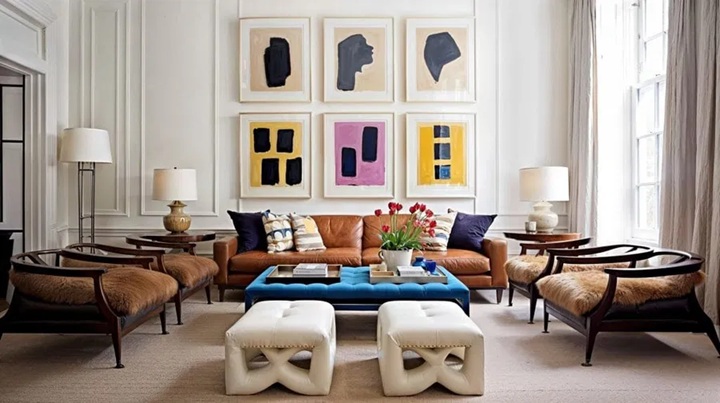
We have all walked into a house that felt less like a home and more like a showroom. You know the type: everything is perfectly placed, the color palette is a safe variation of “greige,” and the furniture looks like it was bought as a matching set from page 12 of a catalog. It’s beautiful, sure. But does it have a soul? Does it tell a story?
When we talk about “home design,” we often get bogged down in trends. We worry about what’s in this season—is farmhouse chic out? Is maximalism in? But the secret to a truly stunning home isn’t adhering to a trend forecast; it’s about customization. It is about taking a structure of wood and brick and imprinting your personality onto it so deeply that no one else could possibly live there comfortably without changing a thing.
Whether you have just moved into a new build that feels a bit sterile or you are looking to refresh a space you’ve lived in for years, customizing your home’s interior and exterior is the ultimate act of self-expression.
Let’s dive into how to strip away the generic and build a space that is unapologetically you, from the curb to the kitchen table.
The Interior: Your Visual Biography
Your interior design should be a mirror. When a guest sits in your living room, they should get a sense of where you’ve been, what you love, and how you see the world.
1. Breaking the “Rules” of Layout
The first step to customization is ignoring the blueprints. Just because the builder labeled a room “Formal Dining” doesn’t mean you have to put a long table and six stiff chairs in it.
I once worked with a couple who hated dinner parties but loved reading. We turned that “essential” dining room into a moody, floor-to-ceiling library with two massive velvet armchairs. Suddenly, a wasted space became their favorite room in the house. Look at your floor plan. If you work from home, maybe the guest bedroom is better suited as an office. If you love yoga, that weird alcove in the hallway could be your sanctuary. Customize the function of your home before you worry about the aesthetics.
2. The Power of “Wall Storytelling”
Nothing kills a room’s vibe faster than generic art that means nothing to the owner. We’ve all seen the mass-produced paintings of rainy Parisian streets in homes of people who have never been to France.
Your walls are the most valuable real estate for customization. This is where you curate your life. A fantastic way to do this without spending a fortune on original oil paintings is by utilizing custom print posters. This medium allows you to bridge the gap between high-end design and personal memory.
For example, do you have a blurry, imperfect, but incredibly happy photo from a road trip? Instead of leaving it on your phone, you can have it blown up and stylized into a custom poster that looks like modern art. Or perhaps you’re a film buff—skip the generic movie posters and commission a minimalist, typographic print of your favorite screenplay quote.
I recently refreshed my own hallway using a series of custom print posters that featured the star maps of the night sky from specific dates important to my family—birthdays and anniversaries. It created a cohesive “gallery wall” look that tied the color scheme together, but when people look closer, they realize it’s actually a timeline of our family history. That is the sweet spot of design: aesthetic beauty meets personal sentiment.
3. Layering Textures and Lighting
If walls are the visual story, texture and lighting are the mood. A customized home engages the senses.
If you have a standard, boxy room, you can soften the edges with textiles. Don’t just buy the matching pillows that come with the sofa. Mix leather with linen; mix chunky knits with smooth velvet. These tactile differences make a room feel curated over time, rather than bought in a day.
For lighting, banish the “big light” (the single ceiling fixture) whenever possible. Customizing your lighting plan means creating zones. Use floor lamps to create a reading nook, under-cabinet lighting for task work, and dimmable sconces for ambiance. Changing out generic builder-grade light fixtures for something vintage or sculptural is one of the highest ROI (return on investment) changes you can make for your interior’s personality.
The Exterior: The First Handshake
We often spend so much time obsessing over the sofa choice that we forget the exterior. But the outside of your home is the “handshake”—it’s the first impression you offer the world. Customizing the exterior adds curb appeal, yes, but it also sparks joy every time you pull into the driveway.
1. The Front Door Statement
If you only do one thing to the outside of your house this weekend, paint your front door. It is the quickest, most effective way to say, “I live here.”
Move away from the standard white or black if it doesn’t suit your spirit. A deep sage green, a vibrant teal, or even a cheerful coral can completely change the personality of a house. I had a neighbor who painted her door a high-gloss eggplant purple. It sounded risky on paper, but against her grey brick house, it looked incredibly chic and sophisticated. It signaled that someone creative lived inside.
2. House Numbers and Hardware
The devil is in the details. Standard-issue hardware is usually flimsy and forgettable. Swapping out your house numbers for a custom font, or changing your mailbox from a standard plastic box to a modern cedar or sleek metal design, elevates the entire façade.
Match your metals. If you choose matte black for your house numbers, try to carry that through to your porch light and door handle. It creates a sense of intentionality.
3. Landscaping as Architecture
You don’t need to be a master gardener to customize your landscaping. The goal here is to soften the hard lines of the architecture.
If you have a very linear, modern home, consider using wild, ornamental grasses to add movement and contrast. If you have a traditional cottage, structured boxwoods can add a sense of order.
And don’t forget the “outdoor room.” Just like the interior, your patio or porch should be zoned. Use outdoor rugs to define a seating area. Hang string lights to create a ceiling. The goal is to make the transition from inside to outside feel seamless.
The “Slow Design” Philosophy
Perhaps the most important tip for customizing your home is this: Slow down.
A truly customized home is never “finished.” It evolves. The biggest mistake homeowners make is rushing to fill every corner the week they move in. They buy “filler furniture” just to avoid empty spaces.
Living with an empty wall for three months is better than filling it with something you hate. Wait for the right piece. Wait until you find those perfect custom print posters that tie your color palette together. Wait until you find the vintage rug that fits the space perfectly.
A Personal Takeaway
A few years ago, I decided to redo my home office. I wanted it to feel inspiring, not just functional. I painted the ceiling a dark charcoal (a risky move that paid off by making the room feel cozy). I hunted for a vintage desk for months.
But the finishing touch was the wall behind my monitor. I didn’t want a generic calendar. I ended up designing a series of graphic prints that represented the cities I had lived in during my 20s. Every time I looked up from my work, I saw a reminder of my journey. It wasn’t something I could have bought at a big-box store. It was mine.
That is the essence of customization. It’s not about impressing the neighbors or getting likes on social media. It’s about creating a space that holds you. A space that rises up to meet you when you walk in the door and says, “Welcome home.”
So, take a look around your space today. Pick one corner—inside or out—that feels a little generic. Ask yourself: How can I make this look like me? Then, pick up a paintbrush, hang a print, or plant a flower, and start telling your story.
