
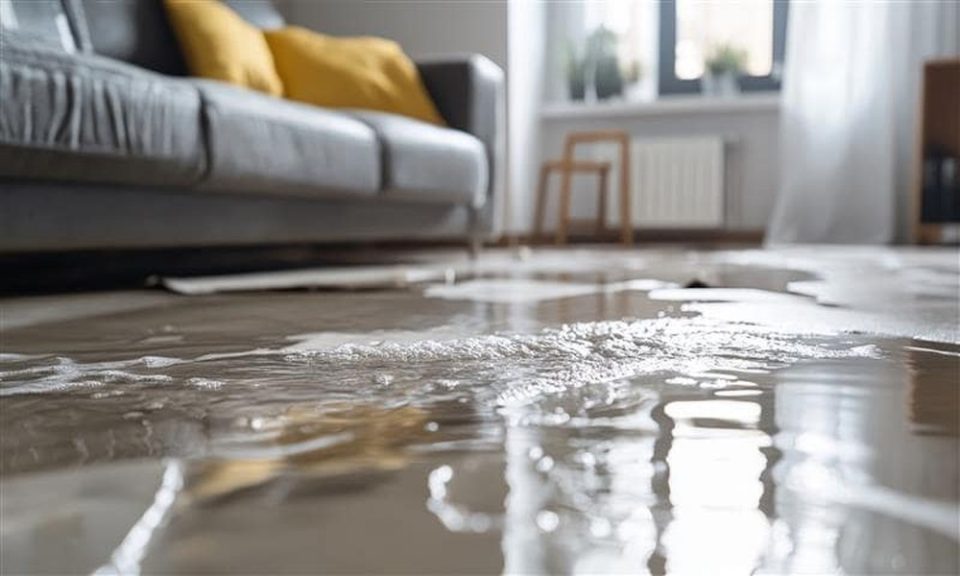
Nobody anticipates finding water in an unexpected place when they enter their house. Your washing machine starts to spill all over the floor of the laundry room. A water line bursts in your storage area while you’re at work. Or your roof was damaged by last night’s storm.
All of a sudden, you have to cope with soaked flooring and broken possessions. Also, the daunting dilemma of what to carry out next.
Understand the water damage repair processes. This enables you to take prompt action when issues arise. Also, you can determine if professional assistance from Macomb is required.
Water Damage
Problems caused by too much water entering your house might destroy your valuables. This includes walls, floors, and personal property.
A leaking roof pouring into your living room, sewage backup contaminating your house, and natural floods -services like flood cleanup Fraser MI are a must. These cause water to flow through your windows and doors. They are just a few examples of the various ways that this problem can begin.
Risks When Untreated
Ignoring intrusion exacerbates issues and increases repair costs. Untreated ones can lead to several major concerns.
- Structural Harm: The stability of floors, walls, and foundations is weakened by untreated dampness. This needs a lot of repairs.
- Mold Growth: When there is too much moisture present, mold can quickly grow on surfaces. This necessitates complete mold remediation and poses breathing risks.
- Decomposition and Warping: Over time, wet wood deteriorates and warps. Padding and carpets deteriorate. Materials must be completely replaced.
- Allergens and Germs: Standing water causes problems with indoor air quality by harboring mold, bacteria, and pests.
- Vermin: Damp environments attract rats, roaches, and other vermin. They spread illness and infest.
- Unsafe Electricity: Wet electrical systems run the risk of short-circuiting and catching fire. There is also a chance of electrocution.
- Injuries: Residents are at risk of falls and injuries due to slick, wet floors and surfaces.
Make sure to take care of minor problems. Over time, this problem simply gets worse, and repairs are more involved and expensive. Take immediate action to keep your house from being destroyed.
Miracle Property Restoration – The Restoration Process
A more thorough restoration procedure can start to fix damages and stop the formation of mold. Visit https://ehs.umich.edu/living-safely/building-environment-issues/mold/ to learn more.
That’s after extra water has been eliminated and any immediate hazards have been resolved. The usual stages are as follows:
- 24/7 Emergency Restoration Services
Unexpected deluge can happen as a result of extreme flooding, busted pipes, or leaking faucets. To avoid expensive repairs and shield your home from long-term harm. You must move swiftly. Mold growth can result from untreated deluge, which poses structural and health issues.
To address crises as they occur, professionals offer 24-hour restoration services. Their knowledgeable staff is on call around the clock to minimize damage and react quickly.
They provide all-inclusive solutions that guarantee your property is returned to its pre-damage state. This includes drying, mildew prevention, moisture extraction, and structural repairs.
- Extraction & Removal
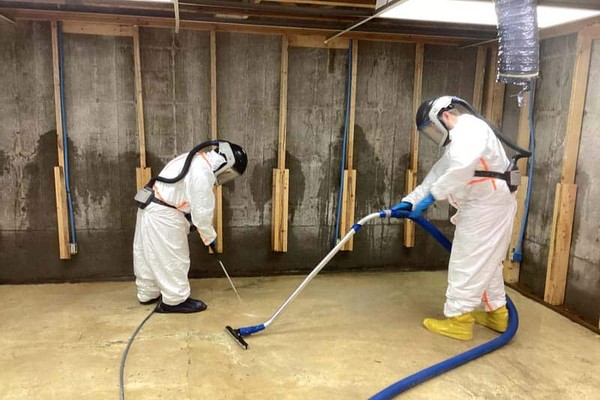
Using industrial-grade tools, specialized equipment eliminates any standing liquid from impacted locations. Compared to home methods, extraction equipment operates significantly faster. Additionally, teams remove unsalvageable damaged materials such as damp drywall, padding, and wet carpet.
- Drying and Dehumidification
Strong commercial air movers and dehumidifiers completely dry out items from the inside out. Humidity levels, air circulation, and temperature are all regularly checked.
Wet carpets, padding, and other porous materials should be thrown out following flooding. This is to avoid mold and mildew problems.
According to the Institute of Inspection, Cleaning, and Restoration Certification’s (IICRC) standards. It is possible to install a structural drying system. For severe flooding, proper drying may take weeks or months.
- Mold Remediation
This entails eliminating contaminated materials using antimicrobial cleaning agents. Thus, making sure that spores are gone if growth is discovered.
Exposure during cleanup is avoided with protective gear. After that, an antimicrobial coating is frequently used.
You may check this out for more info.
- Sanitizing and Deodorizing
After drying, the surfaces have been disinfected. This is to get rid of any leftover residue, mildew spores, bacteria, and smells.
Contaminants are eliminated, and the area is revitalized by ozone treatment or disinfectants. Particles are filtered away by air scrubbers.
This step is very necessary to remove dangerous microorganisms. As well as health risks from black or gray intrusion.
- Restoration & Repairs
This procedure is finished when damaged areas are rebuilt and repaired. Depending on the extent of the damage. The work may involve repainting walls, repairing drywall, installing new flooring, or severe structural repairs.
Electronics and furniture may also need to be replaced. Restoring the house to its pre-loss state is the aim.
A proper restoration completely dries out the house to prevent future problems. It also helps with necessary repairs and records loss for insurance claims.
- Handling Long-Term Mutilation and Mold
Prevention is essential because it can grow 24 to 48 hours after intrusion. To get rid of mildew and make sure your house is clear of dangerous spores.
Restoration specialists employ cutting-edge methods. To stop mildew from growing in the future, they also keep an eye on humidity levels.
- Prevention
Despite the unpredictability of aqua-related disasters, destruction can be considerably decreased by being proactive. For further protection, homeowners in flood-prone locations should think about purchasing flood insurance.
To help prevent future problems:
- Check aqua-based appliances and plumbing lines for leaks regularly.
- To avoid leaking roof issues, clean gutters and repair loose shingles regularly.
- Install flood prevention measures and repair outdated pipes.
- Regularly clean downspouts and gutters.
- To redirect moisture away from the foundation, appropriately grade the soil.
- Install vapor barriers, dehumidifiers, and sump pumps in basements.
- Keep ventilation and humidity levels appropriate.
- Make an emergency action plan and obtain flood insurance.
- Frequent drainage, roofing, and plumbing system inspections can help spot possible weaknesses before they become major problems.
- Installing sump pumps and waterproofing basements provides an additional line of defense against floods. Thus, guaranteeing the safety of your house.
- Relocate priceless objects to a higher elevation during storms or periods of intense precipitation. This might protect them from possible intrusion.
- Continuous upkeep prevents issues. However, getting wet can still happen despite careful protection. Being ready to act fast reduces loss and saves valuable time when it comes to getting your house back to normal.
You may better safeguard your house and possessions against unanticipated water-related incidents. This is achieved by putting these preventive measures into practice.
