
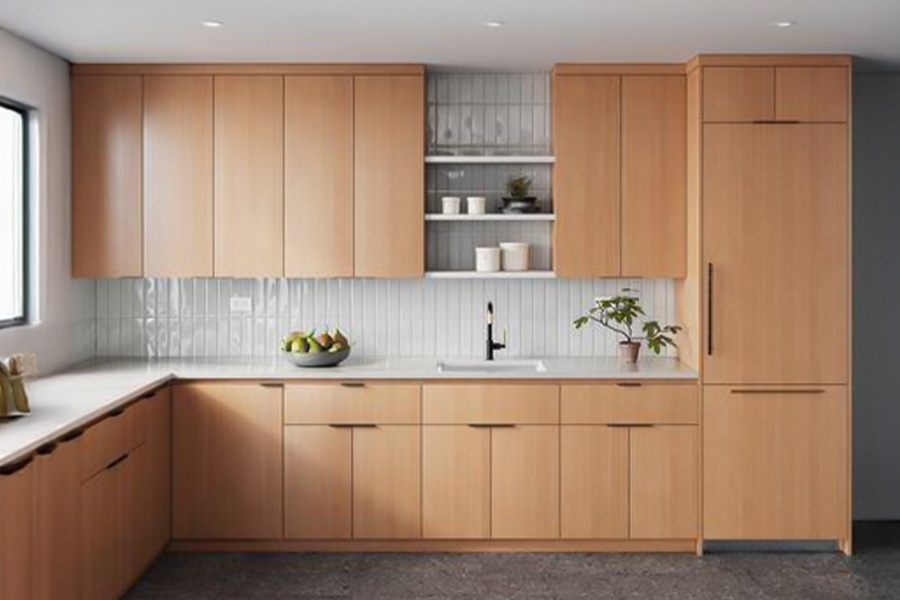
Open the doors to any busy kitchen, and you’ll quickly see the difference between cabinets that merely look good and those built to handle real-life wear. The ideal cabinet material for a high-use environment is not just about aesthetics; it’s about withstanding the daily rhythm of cooking, cleaning, and living, all while maintaining its style and structure.
What Defines an Ideal Kitchen Cabinet Material for High-Use Environments?
Key Characteristics: Durability, Moisture Resistance, and Maintenance
Kitchens are battlegrounds for surfaces. Cabinets must endure constant contact, temperature swings, moisture, and spills. The most suitable materials share core traits: high durability, strong resistance to moisture and heat, and surfaces that are easy to clean. Anything less, and cabinets risk warping, fading, or chipping far too soon.
How Daily Wear and Tear Challenges Cabinet Materials
Everyday life puts cabinets through aggressive tests. Think of repeated door slamming, accidental scratches from utensils, and exposure to steam and grease. Over time, inferior materials can show swelling around the edges, color fading, or surface bubbling, clear signs that not all cabinets are up for the task.
Which Materials Best Withstand High Usage and Why?
Melamine: Rigidity and Heat Resistance Explained
Melamine cabinets are champions of practicality in high-use kitchens. Their dense core provides exceptional rigidity, while the heat-resistant surface handles hot pans and steam with ease. This makes melamine a favorite for families and anyone who cooks frequently.
Polyester: Scratch Resistance and Seamless Construction
Polyester cabinets take durability a step further. Built without visible edges, they resist scratches better than melamine and are notably easy to wipe down. Their seamless construction leaves fewer spots for grime to collect, making maintenance almost effortless.
Similaque: UV and Moisture Resistance for Longevity
Similaque is prized for its resilience in busy spaces. This material stands up remarkably well to both UV exposure and moisture, critical in kitchens that get a lot of sunlight or see frequent use of water and steam. It’s also a more affordable and non-toxic alternative to lacquer, making it practical without sacrificing safety.
How Do Wood-Based Materials Compare for Frequent Use?
Solid Wood: Unique Beauty vs. Practicality in High-Traffic Kitchens
While solid wood cabinets create unmatched character with their grain patterns and natural warmth, they can be sensitive to changes in humidity. They require sealing to prevent warping and regular upkeep to maintain their beauty in the face of heavy use.
Wood Veneer: Budget-Friendly Look with Considerations for Durability
Wood veneer offers the appearance of solid wood at a fraction of the cost, but its thin surface can be vulnerable to chips if not properly maintained. It’s a smart option for those who love the wood look but are prepared for occasional touch-ups in a bustling kitchen.
Exotic Wood: Balancing Aesthetics and Performance
Exotic wood cabinets transform kitchens into statement spaces. However, their performance depends on species and finish. Some exotics are surprisingly hardy, but all require attention to protect their unique patterns and colors from daily knocks and spills.
What Role Do Finishes Play in Material Performance?
Opaque Lacquer: Customization and Protection
Lacquered cabinets offer endless color and shape options. This finish also adds a layer of protection, guarding against stains and moderate wear, though it may not be as impact-resistant as melamine or polyester.
Absolute Matte: Texture, Elegance, and Practicality
Absolute matte finishes bring a velvety texture to cabinets, lending a sophisticated look that hides fingerprints and smudges. Their practicality shines in high-use spaces where glare and surface marks are constant threats.
Rough Chic: Industrial Style with Functional Benefits
For those wanting a blend of style and ruggedness, rough chic cabinets offer textured finishes that mask minor abrasions and wear. This industrial-inspired material is as functional as it is fashionable.
How Important Is Maintenance in Choosing Cabinet Materials?
Cleaning and Upkeep Tips for High-Use Cabinets
No material is truly maintenance-free, but melamine and polyester come close, needing only a simple wipe with a damp cloth. Wood-based cabinets benefit from gentle cleaners and occasional resealing, while specialty finishes like lacquer require care to avoid scratches.
Common Issues and How Different Materials Resist Them
– Swelling or warping: Melamine and polyester resist moisture, while solid wood and veneer are more susceptible.
– Scratches: Polyester and rough chic hide or resist scratches better than lacquer or veneer.
– Stains: Opaque lacquer and melamine have solid defenses against staining, especially when regularly cleaned.
What Are the Environmental and Health Considerations?
Non-Toxic Materials for Safe Kitchens
Health-conscious homeowners often seek non-toxic options, especially in spaces where food is stored and prepared. Similaque, for example, skips the harmful chemicals often found in traditional lacquers.
Sustainable Choices Among Cabinet Materials
Wood veneer and some engineered materials offer sustainability advantages, using less virgin timber and enabling recycling. Always ask about the sourcing and treatment of any product under consideration.
How Can You Match Cabinet Material with Your Kitchen Style and Usage Needs?
Classic, Contemporary, and Modern Style Compatibility
Whether your kitchen leans classic, contemporary, or modern, there’s a cabinet material that fits both your style and lifestyle. Matte finishes and lacquers suit modern interiors, while wood-based and rough chic styles bring warmth to traditional and rustic kitchens.
Selecting Materials Based on Kitchen Traffic and Activities
Households that use the kitchen as a family hub need more resilient surfaces, such as melamine or polyester. For occasional cooks or style-centric spaces, lacquer and exotic woods may be appropriate, provided their care requirements are respected.
Where to Find Quality High-Use Kitchen Cabinet Materials in Montreal and Laval
For anyone seeking reliable, stylish options in the Montreal and Laval area, showrooms like Cuisines Rosemère kitchen cabinets offer broad selections and expert advice. Exploring in person allows you to experience finishes, feel textures, and ask about warranties, a crucial extra for peace of mind when investing in cabinets built to last. A strong after-sales support system can make all the difference in long-term satisfaction.
The perfect kitchen cabinet material for high-use environments combines strength, easy maintenance, and a style that endures. With the right information, your next kitchen upgrade can stand up to life’s busiest moments without missing a beat.
