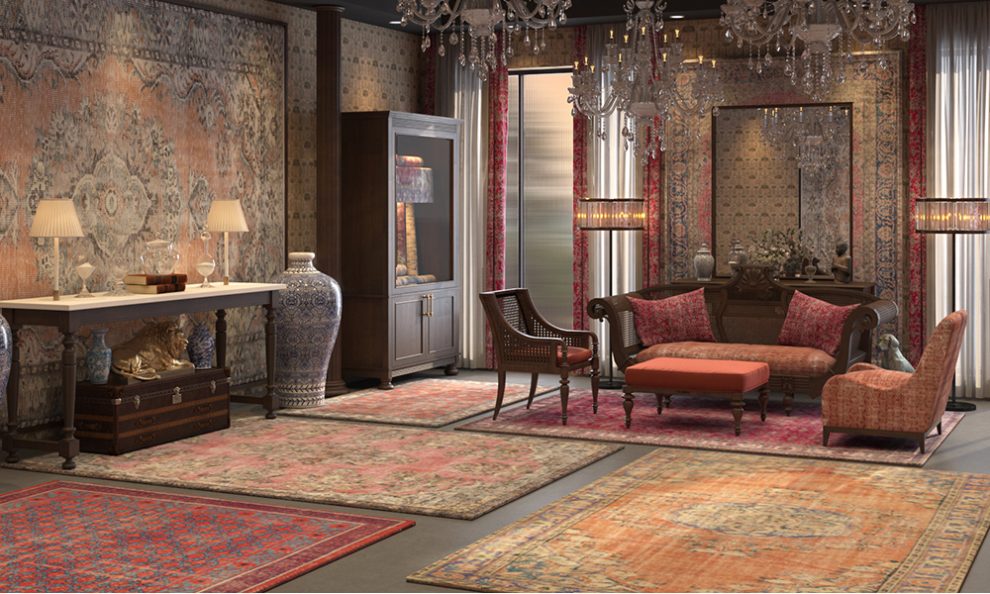

The wool rug remains a fixture of interior design despite the development of synthetic alternatives. It provides performance characteristics that newer materials cannot duplicate, while also being sentimental and non resistance to change. Wool is a natural, environmentally friendly material that offers many benefits. Visit showrooms the largest rug store in Canberra, and notice how much floor space gets dedicated to wool options. Retailers make calculated decisions about product placement based on sales data and customer demand patterns.
Properties that matter
Fibre behaviour under stress conditions. Wool contains natural crimp patterns that function like microscopic springs throughout the material. Heavy furniture creates temporary compression, but the fibres recover their original height once the weight is removed. Compare this to synthetic materials that develop permanent indentations from furniture legs or high-traffic pathways. Property managers overseeing commercial buildings document this difference clearly.
Wool installations in hotel lobbies and office reception areas maintain their appearance for 15-20 years under constant foot traffic. Synthetic alternatives typically require replacement after 3-5 years in identical conditions. Insurance providers recognize this durability difference. Several companies now offer premium discounts for properties featuring natural fiber floor coverings, acknowledging reduced replacement claims compared to synthetic alternatives.
Aesthetic advantages
- Creating visual depth with colour complexity. Synthetic fibres accept dye uniformly, creating flat colour fields without visual interest. Wool fibres absorb dyes differently due to their irregular surfaces. Changing lighting conditions can cause color shifts this variation prevents them.
- Photographers working in residential spaces often prefer wool backgrounds because the material photographs are well-suited for different lighting setups. Synthetic rugs frequently appear artificial in photos due to their uniform color distribution.
- Proportional relationships in various room sizes. Small wool accent rugs provide visual weight appropriate for compact spaces without appearing insignificant. Large installations anchor expansive rooms effectively without dominating the overall design scheme. This scalability results from wool’s inherent texture and visual density characteristics.
- Open-plan homes depend on area rugs for spatial definition since walls don’t separate functional zones. Wool naturally creates these boundaries while maintaining visual flow between adjacent areas. The material’s warmth helps large spaces feel intimate rather than institutional.
Functional performance
Temperature adaptation works automatically. Wool’s cellular structure provides natural insulation that responds to ambient temperature conditions. Cold floors feel warm underfoot during winter months, while summer conditions don’t create uncomfortably hot surfaces. This thermal regulation eliminates seasonal floor covering changes, which some homeowners practice. Energy efficiency improvements result from reduced heating and cooling demands in rooms with substantial wool coverage. Utility bill reductions might seem modest monthly, but they accumulate significantly over annual periods.
Acoustic benefits address contemporary noise problems. Hard surface flooring prevalent in modern homes creates echo and noise transmission problems that wool effectively addresses. Footstep sounds, dropped objects, and general household noise get absorbed rather than amplified throughout the space. Urban locations particularly benefit from these sound-dampening characteristics. Street noise, neighbour activities, and mechanical system sounds become less intrusive in rooms with quality wool installations. Market persistence of wool in contemporary design reflects documented performance advantages that justify premium pricing for discerning buyers. Sales data consistently demonstrates wool outselling synthetic options in higher-end residential applications, indicating that educated consumers recognise tangible benefits beyond initial cost considerations.