
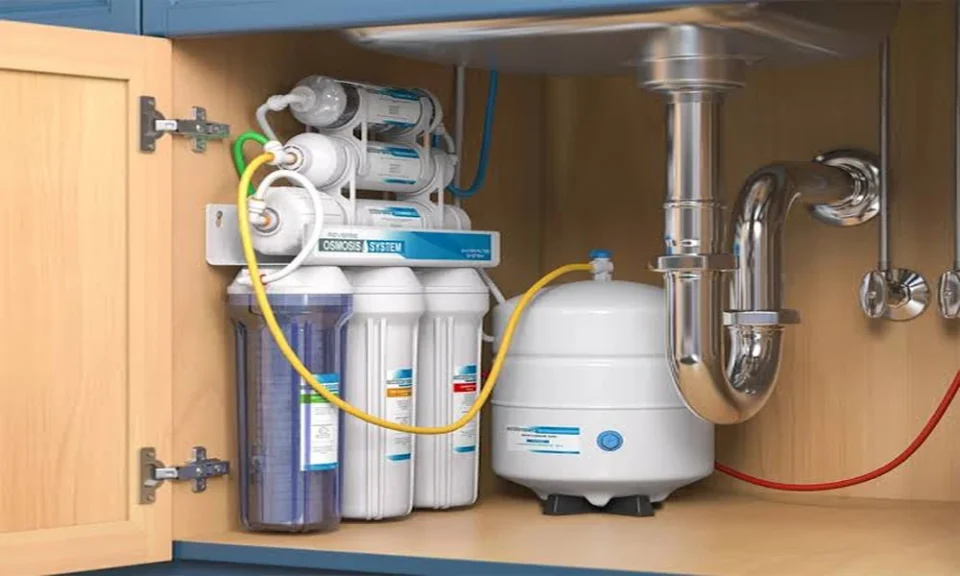
Ask ten neighbors in Lavon about whole house water filters and you will probably hear ten different opinions. Some swear by them. Others think they are an expensive gadget that does nothing a pitcher cannot. Most of the confusion comes from a handful of persistent myths. Let’s sort fact from fiction so you can decide what actually makes sense for your home.
Water decisions rarely stop at the plumbing, either. Homeowners who care about what flows through their pipes often care about what flows off their roofs, which is why a local team like Rocket Roofing and Development comes up so often in conversations about protecting a house from water in all its forms. Keep that bigger picture in mind as we go through the myths.
Myth One: My water is treated, so I do not need a filter
The reality: Municipal treatment makes water safe to drink at the plant. It does not guarantee the water tastes great or behaves well in your home. Disinfectants can leave a chlorine taste and smell, and North Texas water is commonly hard, meaning it carries calcium and magnesium that form scale. Water also travels through miles of pipe before it reaches you, and sediment can enter along the way. A whole house system is about comfort, taste and appliance protection, not about replacing the work your supplier does.
Myth Two: A pitcher filter does the same job
The reality: A pitcher or faucet filter treats a small amount of water at one spot. That is fine for a drinking glass, but it does nothing for the shower, the washing machine or the water heater. Whole house systems treat water at the point where it enters the home, so every outlet benefits. Think of it as the difference between wearing sunscreen on one arm and covering the whole body.
Myth Three: Filtered water means low water pressure
The reality: Pressure problems usually come from an undersized system or from filters that have gone too long without replacement. A properly sized unit, matched to your home’s flow demand, should let you run a shower and a dishwasher at the same time without a noticeable drop. When you shop, ask the installer to explain the flow rate in plain terms and how it fits your household. Sudden pressure loss after installation is a sign something needs attention, not an unavoidable side effect.
Myth Four: Every system removes everything
The reality: No single system removes every possible substance. Different technologies target different things. Sediment filters catch particles, carbon reduces chlorine and odors, and softeners or conditioners deal with hardness. Be cautious about anyone who claims one box handles it all. The Water Quality Association, found at wqa.org, is a useful resource for understanding what various treatment technologies are designed to do. Start with a water test and choose equipment that fits your results.
Myth Five: Installation is a huge, messy project
The reality: Most installations are completed in a day or less. The system is typically placed near the main water line in a garage, utility room or outdoor pad, and the installer ties it into the existing plumbing. Planning ahead helps. Pick a spot with enough clearance for filter changes, and make sure outdoor units are shaded and protected from freezing, which can happen during North Texas cold snaps. A little forethought on location saves headaches for years.
Myth Six: Once it is installed, I can forget about it
The reality: Maintenance is what keeps a system performing. Filters and media wear out, softeners need salt, and neglected units can lose effectiveness or restrict flow. Build a simple routine:
- Replace cartridges on the manufacturer’s schedule
- Refill softener salt before the tank runs low
- Keep a log of service dates
- Retest your water about once a year
- Pay attention to changes in taste, smell or pressure
Treat it like a vehicle that needs regular service. A few minutes of attention each season protects the investment.
Myth Seven: Water problems only come from the pipes
The reality: This one catches people off guard. Water can cause trouble from the outside just as easily as from the inside. A worn roof, loose flashing, clogged gutters or poor grading around the foundation can send moisture into attics, walls and crawl spaces. That leads to mold, rot, stained ceilings and repair bills that dwarf the cost of a filtration system.
The smartest approach is to treat your home’s water as one connected system. Clean, conditioned water comes in through the plumbing. Rain leaves through the roof, gutters and drainage. If either side fails, the home pays for it. After heavy storms, walk around your property and look for missing shingles, sagging gutters or pooling water near the foundation. Small fixes made early are almost always cheaper than major repairs made late.
So, Is a Whole House System Worth It for Lavon?
For many households, yes, but it depends on your priorities and your water. Consider these signs that point toward a good fit:
- Scale on faucets, showerheads and glassware
- Dry skin or dull hair after showers
- A chlorine taste or smell at the tap
- Appliances that seem to wear out early
- Laundry that feels stiff or looks faded
If those sound familiar, a water test is the logical next step. It turns guesswork into facts and gives you something concrete to bring to installers.
How to Compare Quotes Without Getting Overwhelmed
Gather at least two written estimates and look beyond the bottom line. Compare what contaminants each system targets, the yearly cost of filters or media, the warranty terms, and who handles service locally. A slightly higher upfront price can be the better value if it includes stronger support and lower ongoing costs.
It also helps to think about timing. If you are already planning exterior work such as a roof repair or replacement, coordinating projects can make budgeting simpler and keep your overall plan organized. Protecting a home is easier when you tackle it with a clear, complete picture.
The Takeaway
Most of what holds people back from whole house filtration comes down to misunderstanding. The technology is practical, the installation is manageable, and the benefits show up in everyday moments, from a better tasting cup of coffee to a longer lasting water heater. Test your water, choose equipment that matches your results, keep up with maintenance and remember that a dry, well maintained exterior is part of the same story. When water is managed well inside and out, your Lavon home stays comfortable, efficient and valuable for years to come.
