
Pests in Clermont respond to changes in temperature, rainfall, and available food and shelter throughout the year. Some have clear periods when homeowners are more likely to notice them, while others remain active across several seasons. Homeowners who use Saela services often ask for a simple calendar they can plan around. The guide below groups the year into pairs of months and highlights the pest activity and home checks that deserve attention during each period.
Central Florida’s warm climate means the calendar is not a strict timetable. Termite swarms, mosquito breeding, rodent activity, and lawn pests can overlap, so the useful part is knowing which signs deserve attention as the weather changes.
January and February
Winters in Clermont are mild, so pest activity continues even as outdoor activity changes. Rodents can remain in attics, garages, and wall spaces once they have found shelter, while cockroaches can stay active around damp areas indoors. Some Florida subterranean termites also begin their dispersal flights during this period. Check the attic, garage, and pantry for droppings, gnaw marks, or other signs, and seal openings that give pests access to the house.
March and April
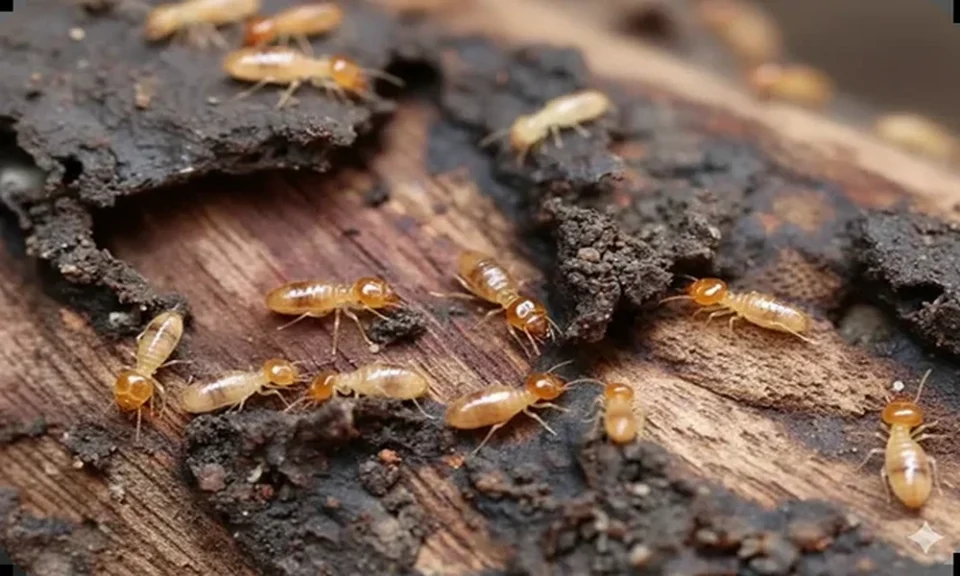
Spring brings several termite swarming periods in Florida. UF/IFAS documents seasonal flights among several subterranean termite species, with some beginning in January or February and Formosan subterranean termites typically swarming from early April into late June. Ant activity also increases as temperatures rise. Watch for winged termites or discarded wings near windows and doors. If swarmers appear indoors, an inspection can help determine whether they entered from outside or came from an infestation in the structure.
May and June
Heat and rainfall create favorable conditions for mosquito activity, while Formosan subterranean termites can swarm from early April through late June, with peak activity in May. UF/IFAS notes that these termites swarm shortly after sunset and are attracted to lights. Walk the yard after heavy rain and empty containers that hold water, including plant saucers, buckets, and uncovered equipment. If termites gather around porch lights or screens, look for discarded wings and have the insects identified.
July and August
Mosquitoes can use water left in containers, while outdoor cockroaches can move toward buildings when they find suitable food, water, or shelter. Check the lawn for thinning grass or damaged roots, and look for unusual soil movement that could indicate turf-pest activity. Empty water-holding containers regularly and keep food sealed indoors.
September and October
Fall brings another period of increased roof-rat breeding activity in Florida. UF/IFAS reports that roof rats breed year-round, with breeding activity peaking in spring and fall. Check the roofline, attic vents, soffits, and nearby trees for routes that could give rats access to the house. Wasps also remain active around nests during the warmer part of the year, so inspect eaves and porches for visible nests.
November and December
Cooler weather can reduce activity for some outdoor insects, while rodents and indoor cockroaches can remain active where they find food, water, and shelter. Check the kitchen, bathrooms, laundry room, attic, and garage for droppings, grease marks, gnawing, or other signs. Seal openings around doors, vents, pipes, and other entry points when you find them.
Using the Calendar
The pest calendar is a guide to changing activity, not a fixed timetable. Termite swarms have seasonal flight periods, summer rain creates more mosquito breeding opportunities, and roof-rat breeding reaches another peak in fall. Other pests can remain active outside those periods. A short checklist for each part of the year gives Clermont homeowners a way to watch for entry points, standing water, nesting signs, and other changes around the property.
