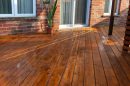
Hardwood floors turn ordinary rooms into warm, inviting spaces, but keeping them beautiful is more art than accident. Life throws plenty at your floors: muddy boots, spilled coffee, pet claws, even the subtle shifts in weather. Yet a handful of smart habits can keep your hardwood flooring looking showroom-fresh year after year.
Understanding Hardwood Flooring Types and Finishes
A little knowledge goes a long way when it comes to maintenance. Not all wood floors are created equal, which means care routines should be tailored to the floor you’re working with.
Common Hardwood Species and Their Durability
Maple and red oak fill homes across Canada, prized for their resilience and classic look. Maple stands up well to heavy traffic, resisting dents but sometimes showing scratches more easily due to its smooth grain. Red oak offers a touch more warmth in tone and, with its open grain, tends to disguise minor scuffs better. Rare finds like cumaru are tough as nails and perfect for ultra-high-traffic areas, though you’ll see them less often.
Differences Between Solid Hardwood and Engineered Hardwood
Solid hardwood is just that: a single piece of wood throughout. Engineered hardwood, by contrast, layers hardwood over plywood or fiberboard, which makes it more stable in damp or fluctuating climates. Solid hardwood can be sanded and refinished more times over its lifespan, but engineered hardwood is a smart choice for basements or cottages where moisture is a bigger concern.
Types of Floor Surface Finishes and Their Impact on Maintenance
A floor’s finish is its armor. Smooth finishes feel sleek and look elegant but may show footprints and pet hair more readily. Distressed finishes disguise wear and tear, making them perfect for busy households. High-gloss floors look stunning but amplify dust and scratches, while matte or satin finishes are more forgiving and lower maintenance.
Daily Care Practices to Preserve Hardwood Floors
The secret to long-lasting floors? A few minutes each day is all it takes.
Proper Sweeping and Vacuuming Techniques
Fine grit and dust are the enemy. Daily sweeping with a soft-bristle broom or a microfiber dust mop lifts those particles before they scratch. For vacuuming, use a floor-brush attachment and steer clear of beater bars, which can gouge the wood.
Choosing the Right Cleaning Products and Tools
Reach for cleaning solutions specifically made for hardwood. Many commercial floor cleaners are too harsh, leaving behind residue or even damaging the finish. Never use vinegar, ammonia, or steam mops, as these can dull or warp the surface. Stick to a barely damp mop and immediately dry any moisture left behind.
Avoiding Excess Moisture and Water Damage
Water is hardwood’s worst nightmare. Even small puddles can seep into seams and cause swelling or staining. In the kitchen or entryway, wipe up splashes and slush as soon as they happen. Placing absorbent mats at exterior doors is an easy fix that pays off.
Immediate Spill and Stain Management
Don’t wait for stains to set. When something spills, blot (never rub) with a clean, dry cloth. For sticky messes, use a slightly damp cloth with the appropriate wood cleaner, then dry the area thoroughly. Avoid letting any liquid linger.
Preventive Measures to Protect Your Hardwood Floors
A bit of prevention saves on repairs and frustration.
Using Rugs, Mats, and Floor Protectors Strategically
High-traffic zones deserve extra defense. Lay down rugs or runners in hallways, under dining tables, or in front of sinks. Choose mats with a natural rubber backing to avoid discoloration and always clean underneath them regularly.
Managing Furniture Movement and Preventing Scratches
Furniture legs and hardwood floors are a tricky pair. Felt pads on chairs and tables create a gentle buffer. If you’re moving heavier pieces, lift; don’t drag. For rolling office chairs, opt for protective mats or replace plastic wheels with soft rubber ones.
Controlling Indoor Humidity Levels for Wood Stability
Wood expands and contracts as the seasons change. In winter, dry air can cause gaps; in summer, high humidity makes boards swell. Keeping your home between 40 and 60 percent humidity protects against both problems. A humidifier or dehumidifier, depending on the season, is an essential tool.
Pet Care Tips to Minimize Floor Damage
Trim your pets’ nails regularly and keep a towel handy at the door for muddy paws. Place water and food bowls on mats to catch drips and spills. Training pets to avoid certain areas can also help, especially if their claws tend to get a little wild.
Periodic Maintenance and Long-Term Protection
Even with daily care, periodic upkeep extends your floor’s life.
When and How to Refinish or Recoat Hardwood Floors
Floors eventually lose their luster. A light buffing and recoating can restore shine without sanding down to bare wood. For deeper scratches or heavy wear, professional refinishing removes the old finish and smoothes out imperfections. Solid hardwood can handle this process multiple times, while engineered hardwood is usually limited to one or two light sandings.
Identifying Signs of Wear and Damage Early
Stay vigilant for dull spots, scratches, or areas where the finish looks thin. Buckling, cupping, or persistent squeaks signal moisture problems or structural issues below. Address these early to avoid more costly repairs.
Professional Cleaning and Repair Services: What to Expect
Sometimes a pro is necessary. Deep cleaning services can lift embedded dirt without damaging your floor’s finish. For repairs, professionals match wood species and finish, ensuring patches blend seamlessly. This is especially important for high-value or historic floors.
Seasonal Maintenance Tips to Extend Floor Lifespan
As seasons shift, so should your approach. In spring and fall, check humidity levels and service your HVAC systems to keep indoor air stable. After winter, inspect for salt or ice melt residue near entrances. In summer, monitor for sun-fading near windows and consider UV-protective rugs or drapes.
A handful of good habits keep your hardwood floors in peak condition, year after year. Whether you’re sweeping up after kids, tidying up muddy pawprints, or simply admiring the grain in the morning light, a little daily attention and smart prevention go a long way. If you’re considering a new look or need more information, you’ll find a range of hardwood flooring options, finishes, and expert advice to help you protect your investment for decades to come.