Stubborn misconceptions about bathroom vanities have a way of lingering, shaping how people shop and care for these everyday essentials. Walk into any showroom or scroll through online options, and you’ll hear the same tired warnings: “Water will ruin anything but solid wood,” or “If you don’t spend a fortune, expect to replace it soon.” Yet, today’s real-world performance tells a different story, one rooted in better materials, thoughtful design, and smarter care.
Common Misconceptions About Bathroom Vanity Durability
Myth: All Bathroom Vanities Are Prone to Water Damage
Bathroom humidity is relentless, but the notion that every vanity is doomed to warp or swell is flat-out wrong. Modern vanities often use engineered materials specifically designed to resist water. Proper sealing, quality finishes, and even the construction techniques contribute more to water resistance than the material alone.
Myth: Higher Price Always Means Better Durability
Sticker shock can be misleading. Yes, some premium vanities are built to last, but a hefty price tag sometimes reflects branding or style rather than true craftsmanship. It’s possible to find budget-friendly options that outperform their pricier counterparts if you know what to look for, like quality joinery, dependable hardware, and proven surface materials.
Myth: Solid Wood Vanities Are Always the Most Durable
Solid wood is a classic choice, but it’s not invincible. Wood expands and contracts with moisture, making it vulnerable in steamy bathrooms unless meticulously treated. Engineered woods, such as MDF or plywood, are often specially formulated for damp environments and can outlast solid wood models when properly finished and maintained.
Myth: Maintenance Is Too Complex and Time-Consuming
Cleaning a vanity shouldn’t feel like a full-time job. Most modern vanities are intentionally low-maintenance, with surfaces that wipe clean easily and components designed to withstand normal use. The right routine takes just minutes and can keep your vanity looking fresh for years.
Materials and Their True Longevity in Bathroom Vanities
Solid Wood vs. Engineered Wood: Durability Realities
Solid wood brings warmth and character, yet its natural properties mean it’s sensitive to moisture and temperature swings. Engineered woods, like MDF, HDF, and plywood, are layered or compressed under high pressure, offering better moisture resistance and a smoother base for finishes.
| Material | Moisture Resistance | Typical Lifespan | Maintenance Needs | Cost |
|—————-|——————–|——————|——————-|—————|
| Solid Wood | Moderate | 10-20 years | Moderate-High | High |
| MDF | High (sealed) | 10-15 years | Low-Moderate | Moderate |
| Plywood | High | 15-25 years | Low | Moderate-High |
Well-made engineered products often outlast solid wood in the bathroom, especially when sourced from reputable suppliers focused on quality.
Popular Surface Materials: Quartz, Marble, Laminate , Pros and Cons
Surface material is just as important as the cabinet underneath. Quartz has surged ahead because it resists stains, scratches, and moisture. Marble brings undeniable luxury, but it requires attentive sealing to prevent etching and stains. Laminate remains affordable and easy to clean, but it’s more susceptible to cuts and heat damage.
| Surface | Durability | Water Resistance | Maintenance | Aesthetic |
|—————-|————-|——————|——————|————————-|
| Quartz | Excellent | Excellent | Low | Modern, seamless |
| Marble | Good | Moderate | High | Luxurious, classic |
| Laminate | Moderate | Good | Low | Versatile, cost-effective|
Hardware and Fixtures: Impact on Overall Vanity Lifespan
The hardware, hinges, drawer slides, handles, can be the first thing to fail if corners are cut. Premium hardware, especially those with corrosion-resistant finishes, adds years to a vanity’s lifespan and ensures smooth, hassle-free daily use.
The Role of Quality Craftsmanship and Manufacturing Standards
No material or finish can compensate for shoddy workmanship. Well-built vanities use sturdy joinery (like dovetail joints), properly aligned drawers, and thorough sealing, features that prevent premature wear and water ingress. Brands that subject their products to rigorous testing and quality control, such as those found at the Evos Boutiques Bathroom Store, often back their vanities with extended warranties and glowing reviews.
Effective Maintenance Practices That Prolong Vanity Life
Daily Care Tips to Prevent Damage and Stains
Quick, regular attention is far more effective than infrequent deep cleans. Wipe down surfaces after splashes, use a soft cloth instead of abrasive pads, and address spills before they have a chance to set in.
– Blot standing water, avoid letting it pool at the base.
– Use a tray for items like soap and toothpaste to minimize direct contact.
– Open windows or run fans to help dry out the room after showers.
Handling Moisture and Humidity: What Really Works
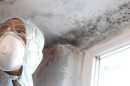
Ventilation is critical. Even the most water-resistant vanity will struggle in a sauna-like environment. A good bathroom fan, opened doors, and periodic airing out reduce the risk of mold and swelling.
Silicone caulking around seams adds another layer of moisture defense, especially where the vanity meets the wall or floor.
Cleaning Products to Avoid and Those to Embrace
Skip harsh chemicals, bleach, and abrasive powders. These can strip finishes and damage protective coatings. Instead, opt for:
– Mild soap (dish or hand)
– Diluted vinegar (for mineral buildup)
– Specialty surface cleaners recommended by the manufacturer
Test any new cleaning product on a hidden spot first to avoid unwanted surprises.
Seasonal and Periodic Maintenance: What Experts Recommend
Every few months, tighten loose handles and hinges, check for leaks under the sink, and reapply sealants if your surface or finish calls for it. A quick inspection can catch small issues before they become costly problems.
Innovations and Custom Solutions Enhancing Vanity Durability
Custom-Made Vanities: Tailored Durability Benefits
Custom vanities are not just about unique looks. They’re built to suit your specific space and usage patterns, often with upgraded hardware, premium coatings, and reinforced panels where water exposure is highest. This level of personalization translates directly into longer lifespan and reduced maintenance headaches.
Advances in Coatings and Sealants for Longevity
The latest finishes do more than add shine. Nano-coatings, anti-microbial films, and UV-cured lacquers seal out moisture, repel stains, and inhibit bacterial growth, perfect for busy bathrooms. Look for terms like “waterproof finish” and “integrated sealant” in product descriptions.
Smart Vanity Features That Aid Maintenance
From integrated LED lighting that highlights trouble spots to soft-close drawers that prevent slamming and wear, today’s vanities are packed with features designed to simplify cleaning and minimize accidental damage.
How Choosing the Right Store and Brand Can Make a Difference
Not all stores are created equal. Retailers who specialize in bathroom fixtures, like the Evos Boutiques Bathroom Store, often work closely with manufacturers to offer higher-quality products and expert guidance. Their curated collections reflect a commitment to longevity and style, supported by real-world customer feedback and transparent warranties.
Bathroom vanities no longer have to be a source of stress or endless upkeep. With better materials, smarter construction, and a handful of practical habits, the modern vanity stands strong against the myths, and the rigors of real life. By understanding what truly matters, you’re free to choose a piece that fits your style without second-guessing its durability.