
At a Glance
Mould affects the appearance of your home, damages surfaces and contributes to poor indoor conditions. Mould treatment involves more than cleaning visible patches, as excess moisture often allows growth to return. By identifying damp sources, choosing suitable cleaning methods and improving ventilation, you can keep your living spaces cleaner and reduce the likelihood of recurring problems.
Understand What Allows Mould to Develop
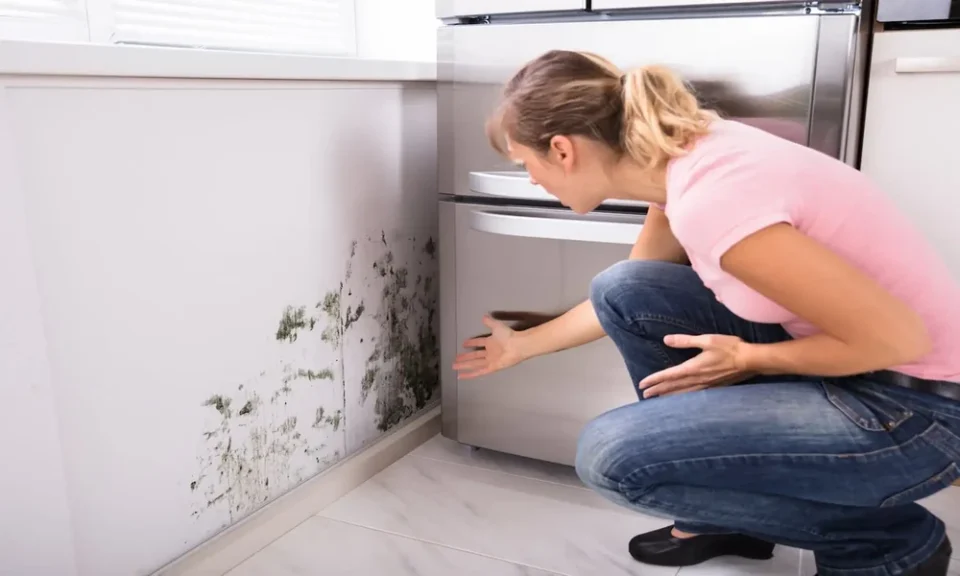
Mould often develops in areas where moisture remains for extended periods. Everyday activities such as cooking, showering and drying clothes indoors release water vapour, which settles on cold surfaces when ventilation is inadequate. Leaking pipes, damaged roofs and poorly sealed windows also introduce unwanted moisture. These conditions can cause dark patches on walls, ceilings and window frames. You might also notice peeling paint, a musty smell or condensation that regularly returns.
Recognising the signs early helps you investigate the cause before the affected area spreads. Rather than treating every patch as an isolated problem, consider whether the room has poor airflow, a persistent leak or another source of damp that needs attention.
Assess the Problem Before Cleaning
The right approach depends on how much mould is present, where it has developed and which materials are affected. Small areas of superficial growth on suitable surfaces may be manageable with an appropriate cleaning product and careful handling.
However, extensive contamination, recurring patches or mould with significant water damage may require professional assessment. Porous materials, such as plasterboard, insulation and some ceiling tiles, retain moisture and may need repair or replacement if the contamination has penetrated them.
Before cleaning, check for signs of an ongoing leak or dampness beneath the surface. If the same area repeatedly develops mould, cleaning alone is unlikely to resolve the underlying problem. Understanding the extent of the damage helps you determine whether routine cleaning is appropriate or specialist advice is needed.
Choose a Suitable Approach for Wall Treatment
Walls can develop mould around windows, behind furniture and in corners where air circulation is limited. Before treating these areas, consider the surface material and whether moisture has affected the wall beneath its visible finish.
For suitable surfaces with limited growth, tried-and-tested products like AMB Hygiene’s mould removal for walls help you address visible contamination by choosing the right treatment for the material. Follow the manufacturer’s instructions, use the recommended protective equipment and ventilate the room as directed. Avoid dry brushing mould, as this can release particles into the air, and never mix cleaning products.
Painted walls, wallpaper and porous surfaces may respond differently to cleaning. Some materials can be damaged by unsuitable treatments, and mould that has penetrated the surface may need more extensive attention. If the affected area is large, keeps returning or follows substantial water damage, seek professional advice rather than repeatedly treating the same patch.
Improve Ventilation and Manage Moisture
Removing visible mould is only part of maintaining a healthier indoor environment. If moisture continues to accumulate, the same conditions may encourage it to return.
Use extractor fans when cooking or showering, and open windows when practical to help humid air escape. Covering pans while cooking and wiping condensation from windows help reduce excess moisture. If you dry clothes indoors, choose a well-ventilated area and avoid leaving damp laundry against walls.
Keeping the affected rooms at a reasonably constant temperature helps you limit condensation on cold surfaces. A dehumidifier can reduce excess moisture in the air, although it will not fix a leaking pipe, roof defect or other source of water ingress.
The aim is to make your home less favourable to mould by controlling moisture rather than relying on repeated cleaning.
Make Mould Prevention Part of Home Maintenance
Regular checks help you spot early warning signs before a small problem becomes more difficult to manage. Inspect window frames, bathroom ceilings, external walls, and areas behind large furniture, and watch for damp patches, peeling paint, and persistent musty smells.
Allowing space between furniture and external walls improves airflow, especially in cooler rooms. It is also worth checking window seals, plumbing and roof coverings periodically so leaks and water ingress can be addressed promptly.
If condensation becomes a recurring issue, review how well the affected room is ventilated and whether moisture-producing activities are contributing to the problem. Where dampness persists despite reasonable changes, investigate further rather than assuming it is just a cleaning issue.
Know When to Seek Professional Advice
Some mould problems need more than routine cleaning and better ventilation. If growth covers a large area, repeatedly returns after treatment or appears alongside persistent dampness, investigate the cause more thoroughly. Mould following a leak or significant water damage may also indicate that moisture has reached materials beneath the visible surface.
A qualified professional can assess the extent of the problem, identify possible sources of damp and determine whether affected materials need repair or replacement. If anyone in the household experiences symptoms that seem to worsen in damp or mouldy rooms, consider seeking medical advice.
Addressing these concerns early helps prevent further damage and establishes a more suitable long-term approach to maintaining your home.
To Sum Up
Tackling mould involves more than removing visible patches. Identifying the source of moisture, choosing suitable cleaning methods and improving ventilation reduce the risk of recurring growth.
By responding promptly to damp conditions and checking affected areas regularly, you can protect household surfaces and maintain a cleaner indoor environment. If mould is extensive or keeps returning, professional help is always the next best step.
