
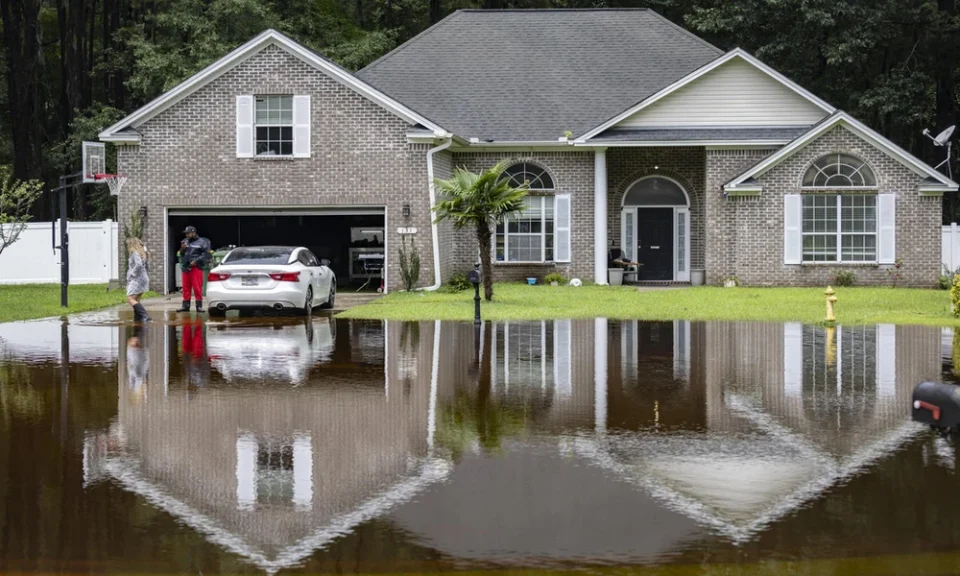
Hurricane season preparation looks a little different when your home sits on several acres.
For homeowners in Dripping Springs, Texas, a storm can affect much more than the electrical panel inside the main house. Many Hill Country properties have detached garages, workshops, barns, guest buildings, wells, electric gates, outdoor lighting, pool equipment, irrigation systems, and other electrical equipment spread across the property.
That creates a unique challenge when severe weather moves through the area.
A power outage at the main house is one thing. Losing power to a well pump, electric gate, workshop, barn, security system, or refrigerator in a detached building can make an already difficult situation much more complicated.
Hurricane season is a good reminder to take a look at the electrical system as a whole-not just the breaker panel inside the house.
Homeowners in Dripping Springs, Texas can trust Bebee Electric Plus when they need a reliable licensed electrician to evaluate electrical systems and help prepare acreage properties for the electrical challenges that can come with severe storms.
Why Acreage Properties Have Different Electrical Needs
A typical suburban home may have one main electrical panel and a relatively short distance between the electrical service and the outlets, lights, and appliances being powered.
Acreage properties can be much more complicated.
Your electrical system may extend hundreds of feet from the main house. Power might travel underground to a detached garage, then continue to another structure through a separate subpanel. A well pump may be located far away from the home, while an electric gate sits at the entrance to the property.
Each of those locations creates additional electrical connections, wiring, breakers, disconnects, and equipment that should be considered when preparing for severe weather.
Storm preparation should therefore go beyond asking, “Will my house have power?”
A better question is:
“What happens to every electrical system on my property if the power goes out, voltage fluctuates, or lightning strikes nearby?”
That is where a property-wide electrical evaluation can be especially valuable.
Detached Garages and Workshops Need Attention Too
Detached garages and workshops often contain some of the most valuable electrical equipment on an acreage property.
Homeowners may have refrigerators, freezers, power tools, welders, air compressors, battery chargers, lighting, garage door openers, or other equipment operating in these buildings.
Because the structure is separated from the main house, its electrical system may be supplied through an underground feeder and a subpanel.
Before storm season, an electrician can inspect the feeder, panel, breakers, grounding, connections, and receptacles serving the detached structure.
This is particularly important if the workshop contains expensive equipment.
A voltage fluctuation or electrical surge may damage sensitive electronics even when the outage itself is relatively brief.
Barns and Outbuildings Can Have Hidden Electrical Risks
Barns and other outbuildings are another consideration for Dripping Springs acreage owners.
Electrical systems in these structures may power fans, lighting, water equipment, automatic doors, livestock equipment, security cameras, heaters, or other devices.
Some barns may also have wiring that has been modified over the years as the property has evolved.
One electrical circuit may have been installed when the barn was first built, followed by additional wiring years later. What started as a simple electrical system can eventually become considerably more complicated.
An electrician can evaluate whether the existing system is still appropriate for the equipment being used today.
That inspection can also identify damaged wiring, improperly protected outdoor equipment, overloaded circuits, deteriorating components, or other issues that could become more serious during severe weather.
Long Underground Electrical Runs Deserve Special Consideration
Long underground electrical runs are common on larger properties.
They are useful because they allow electricity to reach structures located far from the main house without overhead wires crossing the property. However, the distance between buildings means there is more electrical infrastructure to evaluate.
Underground wiring can also be affected by digging, landscaping, erosion, drainage work, animal activity, construction projects, and changes to the property over time.
Storm preparation provides a good opportunity to make sure underground feeders are properly installed and that the equipment connected to them is in good condition.
If an acreage property has experienced unexplained breaker trips, flickering lights, or intermittent power in a detached building, those symptoms shouldn’t simply be ignored.
They may indicate an issue somewhere between the main electrical service and the building experiencing the problem.
Don’t Forget the Subpanels
Subpanels make it possible to distribute electricity to detached buildings and different sections of a large property.
For example, a Dripping Springs homeowner might have the main electrical panel at the house, a subpanel in the garage, another in a workshop, and another serving a barn.
During a property-wide electrical inspection, each panel should be considered as part of the larger system.
An electrician can check whether the panels are appropriately sized, whether breakers are correctly configured, whether connections are secure, and whether the electrical distribution system is suitable for the property’s current needs.
This becomes even more important if the homeowner has added significant electrical loads over the years.
A property that originally had modest electrical requirements may now have EV charging, additional HVAC equipment, workshop machinery, pool equipment, refrigeration, and other high-demand devices.
Well Pumps Can Become a Major Problem During an Outage
For many acreage homeowners, losing electricity doesn’t just mean losing lights and air conditioning.
It can also mean losing water.
If your property relies on a private well, the well pump requires electricity to operate. When the power goes out, water availability can quickly become a concern.
That makes the well pump an important part of hurricane and storm preparedness.
An electrician can evaluate the electrical circuit serving the pump and determine whether the system is properly protected and whether backup power is an option.
If a standby generator is being considered, the well pump should be included in the conversation rather than treated as an afterthought.
Electric Gates Can Leave You Stuck
Electric gates are convenient-until the electricity goes out.
On a large rural or acreage property, the entrance gate may be hundreds of feet from the house. If the gate depends on electrical power and the system isn’t prepared for an outage, getting vehicles in or out of the property could become difficult.
Storm preparation should include understanding how the gate operates during a power failure.
Depending on the system, homeowners may have manual release features, battery backup, or other options.
An electrician can inspect the electrical supply serving the gate and help determine whether improvements are appropriate.
It’s one of those systems that homeowners often don’t think about until they desperately need it.
Outdoor Lighting Should Be Checked Before Storm Season
Outdoor lighting is another electrical system that can be overlooked on acreage properties.
Driveway lighting, landscape lighting, security lights, pathway lighting, barn lighting, and exterior fixtures can be spread across a large portion of the property.
Outdoor electrical equipment is exposed to the elements throughout the year.
Before hurricane season, homeowners should look for damaged fixtures, exposed wiring, loose connections, water intrusion, and other signs of deterioration.
An electrical professional can inspect outdoor circuits and make sure equipment is appropriately installed for its location.
This can be especially important for security lighting around gates, garages, barns, and other structures.
Backup Generators Can Keep Critical Systems Running
A standby generator can be an important part of storm preparedness for an acreage property.
However, choosing and installing a generator isn’t simply a matter of purchasing a unit and connecting it to the house.
A larger property may have several critical electrical loads that homeowners want to maintain during an outage.
These could include:
- Refrigerators and freezers
- HVAC equipment
- Well pumps
- Security systems
- Electric gates
- Garage doors
- Internet and communications equipment
- Medical equipment
- Barn equipment
- Outdoor lighting
- Sump or drainage equipment
- Workshop circuits
The electrical system needs to be evaluated to determine which loads should receive backup power and whether the existing electrical service and equipment can accommodate the installation.
A properly installed standby generator can provide significantly more convenience during an extended outage, but the installation needs to be designed around the property’s actual electrical requirements.
Protecting Equipment From Voltage Fluctuations
Power outages aren’t the only concern during severe weather.
Voltage fluctuations and electrical surges can also cause problems.
Sensitive electronics and electrical equipment may be damaged by abnormal voltage conditions, especially when storms cause interruptions to the electrical grid.
A whole-home surge protection system can provide an additional layer of protection for the home’s electrical system. Depending on the property, additional surge protection may also be worth discussing for sensitive or expensive equipment located in detached structures.
This is particularly relevant on acreage properties because electrical equipment is distributed across multiple buildings.
A homeowner may protect the main house while overlooking a detached workshop filled with expensive tools and electronics.
A property-wide electrical evaluation can help identify where additional protection may make sense.
Can a Handy Homeowner Handle This as a DIY Project?
There are plenty of electrical projects around the home that homeowners may reasonably handle themselves, depending on their experience and local requirements.
But large acreage electrical systems are a different situation.
Installing or modifying underground feeders, subpanels, generator connections, well-pump circuits, electric-gate wiring, or other major electrical infrastructure involves more than simply connecting wires.
There are questions involving load calculations, grounding and bonding, overcurrent protection, conductor sizing, equipment ratings, weather exposure, trenching requirements, and applicable electrical codes.
There is also the safety issue.
A mistake involving a receptacle is one thing. A mistake involving a high-amperage feeder, generator connection, or electrical service can create a serious shock, fire, or equipment hazard.
For that reason, major electrical installations and modifications on acreage properties are generally best left to qualified, licensed electrical professionals.
Homeowners in Dripping Springs should also understand that licensing, permits, inspections, and other requirements can apply depending on the project.
If you’re unsure whether a project is appropriate for DIY work, it is much safer to have a licensed electrician evaluate it first.
What an Electrician Can Look at Across the Entire Property
One of the biggest advantages of having an electrician evaluate an acreage property is getting a complete picture of the electrical system.
Instead of looking only at the main house, the electrician can consider how electricity moves throughout the property.
That evaluation may include:
- Main electrical service and panel
- Subpanels
- Detached garages
- Workshops
- Barns
- Guest structures
- Underground electrical feeders
- Well-pump circuits
- Electric gates
- Outdoor lighting
- Generator connections
- Surge protection
- Grounding and bonding
- Outdoor receptacles
- High-demand electrical equipment
- Signs of voltage problems
- Older or modified electrical installations
The goal isn’t necessarily to replace everything.
In many cases, an inspection simply gives the homeowner a better understanding of what they have, what condition it’s in, and what should be addressed before the next major storm.
Prepare Before the Storm Is on the Way
One of the worst times to discover an electrical problem is when severe weather is already approaching.
If a generator needs to be installed, a panel needs attention, or an underground feeder needs to be repaired, waiting until the forecast shows a major storm can leave homeowners scrambling.
Planning ahead gives you time to address problems properly.
Bebee Electric Plus can help Dripping Springs homeowners evaluate electrical needs associated with homes, detached structures, backup power, and other electrical systems.
For acreage property owners, the biggest takeaway is simple: don’t think of your electrical system as being limited to the panel inside your house.
Your electrical system may extend across your entire property.
From the main residence to the barn, workshop, well pump, gate, outdoor lighting, and detached garage, every part deserves consideration when preparing for hurricane season.
Protect Your Dripping Springs Acreage Property Before the Next Storm
Large properties offer privacy, space, and plenty of room for workshops, barns, guest structures, and outdoor amenities. But that extra space also means more electrical infrastructure to maintain.
Hurricane season is an excellent time to take a step back and look at the property as a whole.
Are your underground electrical runs in good condition? Are your subpanels appropriately sized? Will your well pump operate during an outage? What happens to your electric gate when the power goes down? Are your workshop tools protected against electrical surges? Is your generator properly connected to the electrical system?
Those are the kinds of questions worth answering before severe weather arrives.
Rather than attempting major electrical installations as a DIY project, consider having a licensed electrician evaluate the property’s electrical systems and identify potential issues.
For homeowners with acreage properties in Dripping Springs, Texas, a property-wide electrical assessment can be one of the smartest steps toward being better prepared for storm-related power interruptions.
Bebee Electric Plus can help homeowners understand their electrical systems and plan improvements that support safety, reliability, and preparedness across the entire property.
