
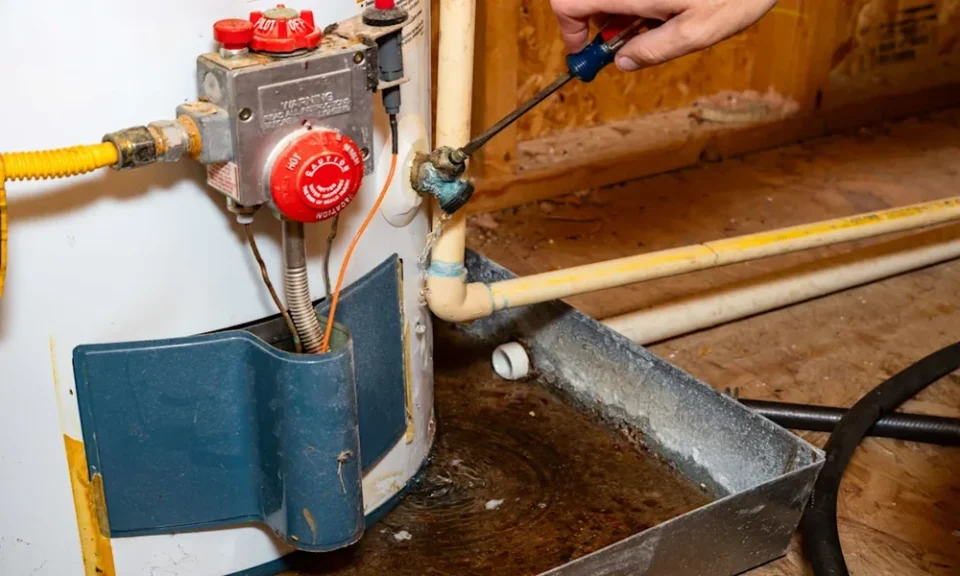
Indiana tap water is hard by almost any measure. In the cities where it has been tested, the median is a little above ten grains of dissolved minerals per gallon, which puts it in the hard category on the USGS scale. In Lake County homes, much of that calcium and magnesium never reaches a faucet. It settles to the bottom of the water heater, layer by layer, until the tank starts making noises its owner can’t ignore.
Most water heaters don’t fail all at once. They give hints first, sometimes for a year or more. Homeowners who notice those hints get to choose between a repair and a planned replacement, instead of mopping a flooded basement on a Sunday night.
That choice is easier with someone who handles both sides of it. Homeowners weighing water heater replacement repair in Crown Point can turn to the crew behind jgheatingandcoolingllc.com, a family run outfit based in Portage that works on traditional tanks and tankless systems alike. They look at the existing unit and the household’s hot water demand before recommending anything. After installation they keep helping with flushes, anode rod inspections and performance checks.
What Your Ears Pick Up First
Popping, rumbling or crackling from a gas tank as the burner fires is the classic sound of sediment. Water trapped under the mineral layer flashes to steam and bursts up through it. Electric units make a similar noise, more of a sizzle or hiss, as scale crusts around the lower heating element.
Noise alone doesn’t mean the tank is finished. A thorough flush often quiets a heater that’s only a few years old. If the rumbling comes back within months, or a flush barely moves anything because the sediment has hardened, the bottom of the tank is working far harder than it should. That stress shortens its life.
A high pitched whine or screech is a different problem. It usually means a valve is partly closed somewhere in the line, so trace that before blaming the heater.
What Shows Up in the Water and on the Floor
Rusty or brownish water from the hot tap only is a warning that the inside of the tank may be corroding. Run the cold side too. If it comes out clear, the heater is the likely source. Sometimes the culprit is a spent anode rod, the sacrificial metal rod that corrodes so the tank doesn’t. In hard water areas these rods wear out faster, and replacing one costs little compared with a new heater. If the tank itself has started rusting through, though, no rod will save it.
A rotten egg smell in the hot water usually comes from bacteria reacting with a magnesium anode. Switching to an aluminum zinc rod and flushing the tank often solves it.
Water around the base needs a closer look before anyone panics. It can come from several places, listed here from harmless to serious.
- Condensation on a gas unit during cold startups, which dries on its own.
- A loose fitting on the inlet or outlet pipes above the tank.
- A dripping drain valve near the bottom.
- The temperature and pressure relief valve discharging because pressure or heat inside climbed too high.
- The tank seam or bottom itself, which is the one leak that can’t be patched.
The first four can be repaired. The fifth means replacement, and soon.
The Valve That Deserves Respect
The temperature and pressure relief valve sits near the top of every tank, with a pipe running down toward the floor. It opens if pressure climbs past roughly 150 psi or the water nears boiling. It’s the reason a malfunctioning heater leaks instead of bursting.
Many manuals suggest lifting the valve’s lever once a year to confirm it works. On a newer heater that’s reasonable. On an older tank nobody has touched in a decade, the valve may not seat properly again once it has been opened, and it will keep dripping. If yours is old and has never been tested, let a technician test it during a service visit so a simple check doesn’t turn into a new leak. The discharge pipe should never be capped, shortened or routed upward.
When the valve drips on its own, thermal expansion is a common cause. This is especially likely in homes with a check valve or pressure reducing valve at the meter. An expansion tank mounted beside the heater gives the extra water volume somewhere to go.
Lukewarm Showers and the Thermostat Trap
If hot water runs out faster than it used to, sediment taking up space in the tank is one common cause. Another is a failed dip tube, the plastic tube that carries incoming cold water to the bottom. When it cracks, cold water mixes in at the top and showers turn lukewarm quickly. An electric heater with one dead element produces the same symptom. All three can be repaired.
Turning the thermostat higher to make up for it is tempting, but it’s risky. The U.S. Consumer Product Safety Commission urges households to keep water heaters at 120 degrees Fahrenheit. It notes that 150 degree water can give most adults third degree burns in about two seconds. A lower setting also slows scale buildup, since minerals come out of solution faster as water gets hotter.
Doing the Math on an Aging Tank
Tank heaters usually last around eight to twelve years, and hard water pulls that toward the short end when the tank isn’t flushed regularly. The serial number on the label usually encodes the manufacture date. Each brand formats it differently, but a quick lookup will decode it.
A practical test is to compare the repair cost with how much life the unit has left. Replacing a thermocouple, igniter, element, thermostat or anode rod on a six year old tank makes sense. Spending the same amount on a twelve year old tank with sediment problems and rust at the fittings usually means paying twice in short order.
When Replacement Becomes an Upgrade
A replacement is also a good moment to rethink what the house actually needs. A family that has grown since the last install may need a bigger tank or a higher first hour rating. That figure is printed on the yellow EnergyGuide label, and it reflects real morning demand better than gallon capacity alone. Tankless units free up floor space and heat water only when a tap opens. They need properly sized gas lines and venting, though, and in hard water areas they need periodic descaling. Some households add a water softener along with the new heater to protect it from the minerals that wore out the last one.
The installation details matter as much as the unit. Gas heaters need correct venting and a supply of combustion air. Many installations now call for an expansion tank, and the relief valve line has to discharge somewhere safe. Depending on the municipality, a permit may apply as well.
Listening Before It Has to Shout
A water heater usually gives months of warning before it fails. It rumbles more each winter, the anode wears down a little more each year and a small puddle shows up and gets wiped away. Paying attention to those small changes lets you decide calmly whether a repair is worth it or the tank is due for retirement. In a region where the water itself wears these tanks down, a yearly flush and a quick look at the base can add years to a heater’s life. When replacement does come, it can be scheduled for a convenient weekday instead of an emergency.
