
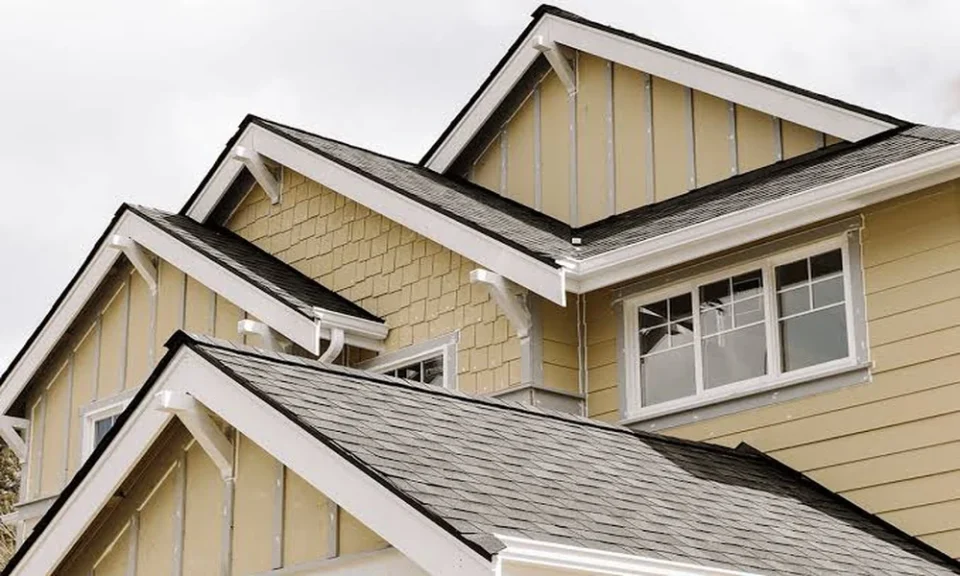
Your home’s exterior does more work than any other part of the building. Every day, the roof and siding hold back rain, wind, UV radiation, snow, and temperature swings so the interior stays dry, comfortable, and structurally sound. Because they work quietly, most homeowners ignore them until a stain appears on a ceiling or a panel cracks.
Understanding how these systems work, how they age, and what to look for can save thousands of dollars in repairs. Professional installers and inspectors, including teams like Alpha Shield Roofing & Siding Inc, often point out that most major exterior failures begin as small, visible warning signs that were missed. This guide covers those signs, the materials available, and the decisions that matter most.
Roofing and siding also work as a pair. A roof sheds water away from the walls, and siding keeps that water from soaking into the structure. When one fails, the other usually suffers soon after. Treating them as a single system is the smartest way to plan maintenance and upgrades.
Why the Exterior Envelope Matters
Builders call the roof, walls, windows, and doors the “building envelope.” A well-sealed envelope does four jobs:
- Moisture control: It keeps liquid water out and lets trapped vapor escape.
- Energy efficiency: It limits heat loss in winter and heat gain in summer.
- Structural protection: It shields framing, sheathing, and insulation from rot and mold.
- Curb appeal and value: It strongly influences first impressions and resale price.
Roofing choices affect energy use more than most people realize. The U.S. Department of Energy explains how cool roofs reflect more sunlight and absorb less heat, which can lower indoor temperatures and cooling costs in warm climates.
Common Roofing Materials Compared
No single material suits every home. Climate, roof pitch, budget, and neighborhood rules all shape the best choice.
| Material | Typical Lifespan | Strengths | Trade-offs |
|---|---|---|---|
| Asphalt shingles | 15-30 years | Affordable, widely available, easy to repair | Shorter lifespan, can lose granules |
| Metal panels | 40-70 years | Durable, fire-resistant, sheds snow | Higher upfront cost, can dent |
| Clay or concrete tile | 50+ years | Excellent heat resistance, long life | Heavy, needs strong framing |
| Slate | 75-100+ years | Exceptional longevity and appearance | Expensive, specialized installation |
| Wood shakes | 20-40 years | Natural look | Higher maintenance, fire concerns |
Lifespan figures are averages. Poor ventilation, improper installation, or severe weather can cut them significantly, while good maintenance can stretch them.
Siding Options Worth Considering
Siding has the same range of trade-offs between cost, durability, and upkeep.
- Vinyl: Low cost and low maintenance, available in many colors. It can crack in extreme cold or warp near strong heat sources.
- Fiber cement: Resists fire, pests, and rot, and mimics wood convincingly. It is heavier and needs periodic repainting.
- Wood: Warm and customizable, but it requires regular sealing or staining to resist moisture and insects.
- Engineered wood: Gives a wood look with better resistance to pests and decay, though quality varies by brand.
- Metal (aluminum or steel): Tough and fire-resistant, though it may dent and can show scratches.
- Brick or stone veneer: Very long-lasting and low maintenance, but expensive to install.
Warning Signs You Shouldn’t Ignore
Many costly repairs can be avoided by catching problems early. A simple walk around your property twice a year, in spring and fall, is enough to spot most of them.
On the roof:
- Curling, cracked, or missing shingles
- Dark streaks or heavy moss growth
- Granules collecting in gutters
- Sagging areas or visible daylight in the attic
- Damaged flashing around chimneys, vents, and skylights
On the siding:
- Warping, bubbling, or buckling panels
- Soft or spongy spots when pressed gently
- Peeling paint or persistent mildew
- Gaps, cracks, or loose boards
- Unexplained spikes in energy bills
How Weather Wears Materials Down
Different climates stress exteriors in different ways. Understanding your local threats helps you choose and maintain materials wisely.
Heat and UV exposure dry out asphalt, fade siding, and make plastics brittle. Freeze-thaw cycles let water seep into tiny cracks, expand as ice, and widen the damage. High winds lift shingles and loosen panels, especially along edges. Heavy rain and humidity encourage rot, mold, and algae, particularly where ventilation is poor.
Hail and falling branches can add sudden impact damage, which sometimes goes unnoticed from the ground. After any severe storm, a quick inspection is worthwhile.
Maintenance Habits That Pay Off
Routine care is far cheaper than emergency repair. A few habits make a real difference:
- Clean gutters and downspouts at least twice a year so water drains away from the walls.
- Trim overhanging branches to reduce debris and impact risk.
- Wash siding gently with a soft brush and mild detergent to prevent mildew buildup.
- Keep attic vents unblocked, since poor airflow shortens roof life and fosters moisture problems.
- Reseal or repaint exposed wood and caulk gaps before the wet season.
Questions Homeowners Often Ask
How often should a roof be professionally inspected?
Once a year is a sensible baseline, plus after major storms. Older roofs may benefit from more frequent checks.
Is repair or replacement the better choice?
Localized damage on a roof that is otherwise healthy can usually be repaired. If damage is widespread or the roof is near the end of its expected lifespan, replacement often costs less over time.
Can new siding really lower energy bills?
Yes, especially when installed with proper house wrap and insulation. Siding alone isn’t a complete solution, but it contributes to a tighter envelope.
What should I look for in a contractor?
Check licensing, insurance, written estimates, and references. The National Roofing Contractors Association offers resources on professional roofing standards and best practices that help homeowners know what quality work should look like.
Planning a Smart Exterior Upgrade
Before committing to a project, work through a short checklist:
- Inspect the current condition and document problems with photos.
- Set a realistic budget that includes a cushion for hidden damage, such as rotted sheathing.
- Compare materials by lifetime cost, not just purchase price.
- Obtain at least three detailed written quotes.
- Confirm warranty terms for both materials and workmanship.
- Check local building codes and any homeowners’ association rules.
Timing also matters. Mild, dry seasons are generally easiest for installation, though emergency repairs shouldn’t wait.
The Bottom Line
Your roof and siding are long-term investments that deserve the same attention as any major home system. Choosing materials suited to your climate, watching for early warning signs, and keeping up with simple maintenance can add decades to their service life while protecting comfort and property value.
Start small: walk around your home this weekend, look up at the roofline, and run a hand along the siding. A few minutes of observation today can prevent a far bigger repair bill tomorrow.
